Flexibility as a key part of the solution
According to the report, a key part of the solution lies in making electricity consumption more flexible. This means that businesses and organisations need to better align their energy use with the available capacity on the grid and the time at which energy is generated. Examples include shifting consumption to off-peak hours, utilising energy storage, adapting production processes, or collaborating within energy hubs. Flexible contracts with grid operators also play a key role in this. The aim is clear: to reduce peak demand and make more efficient use of the existing grid.
At the same time, the report notes that this flexibility has not yet taken sufficient hold in practice. Businesses experience limited incentives to adapt their behaviour, do not always have a clear understanding of their options, and are faced with complex contract forms. Furthermore, collaboration between market players and grid operators is still in its infancy.
Clear policy directions outlined
To overcome these bottlenecks, the report outlines a number of clear policy directions. These include a focus on variable grid tariffs that encourage flexibility, new contract types that allow for adapted usage, and improved data and transparency. It also advocates a sectoral approach and closer cooperation, as well as accelerated congestion management.
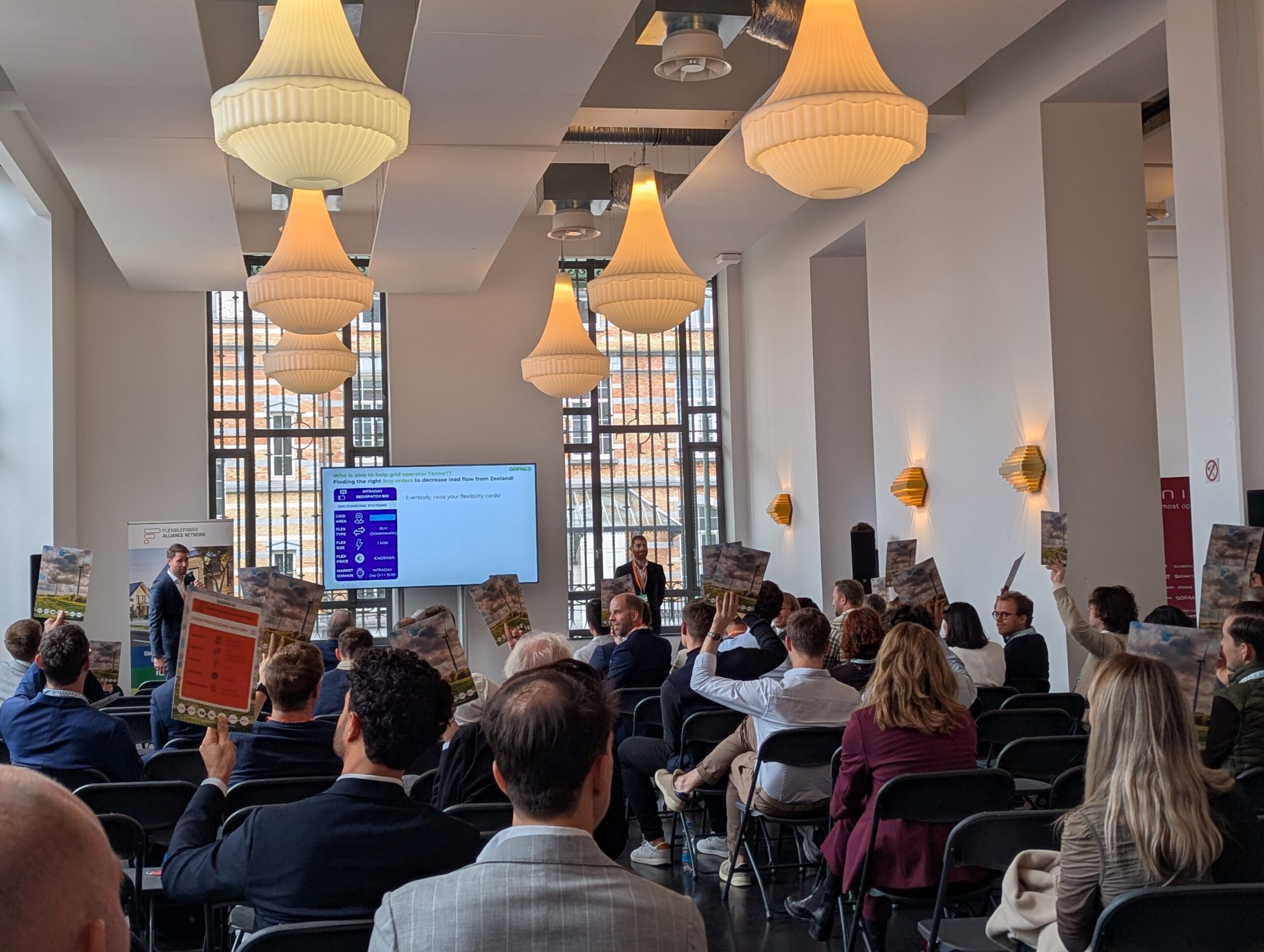
With these proposals, the report emphasises that flexibility is not a temporary solution, but must become a structural component of the future energy system. And this is where GOPACS comes into the picture. The platform makes flexibility a reality by bringing supply and demand together and resolving congestion via the market. Not theory, but implementation.
The key message: flexibility is no longer a nice-to-have, but a prerequisite for growth. The question is not whether we will use it, but how quickly we can scale it up.
Read the full report (in Dutch)