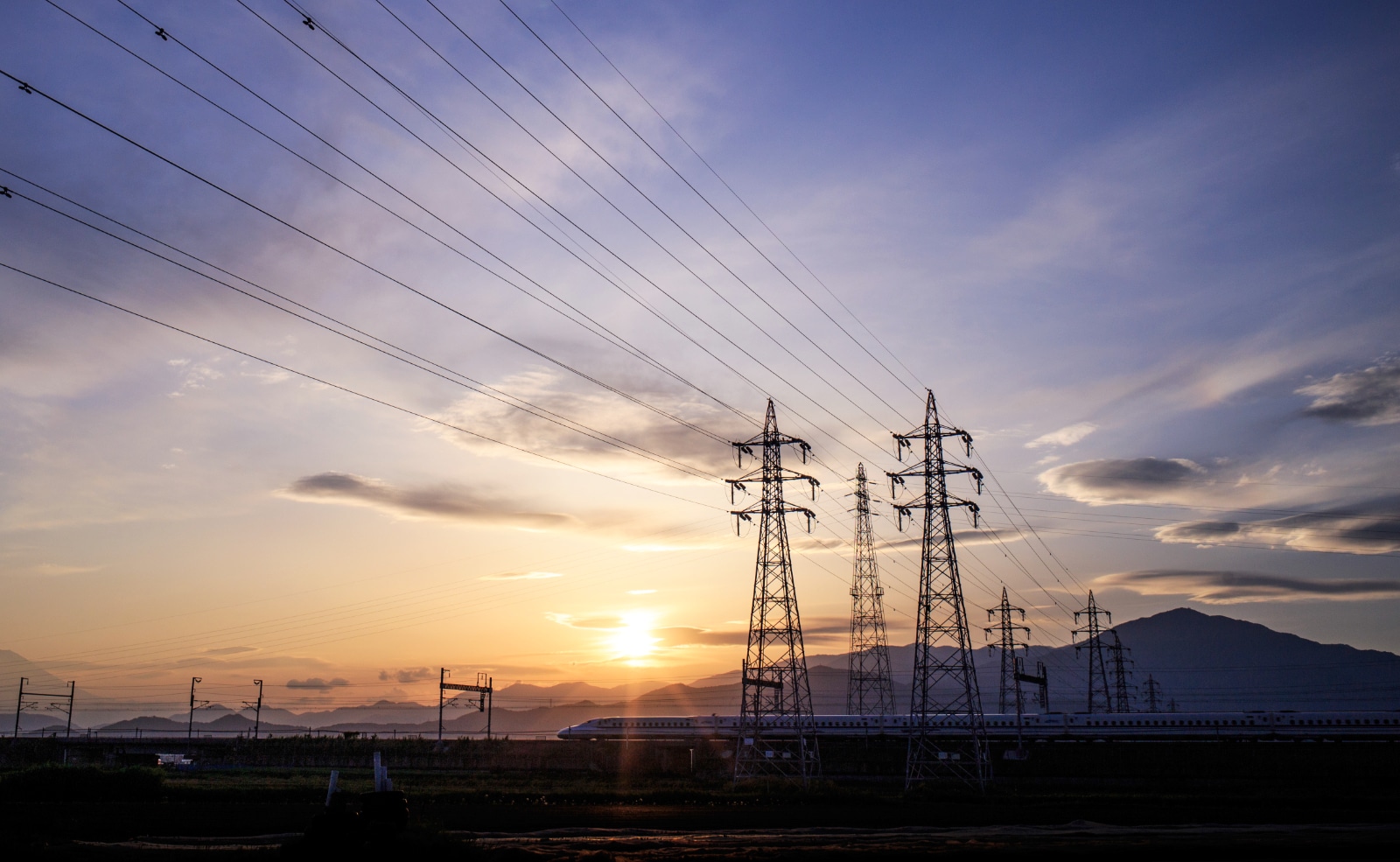
Historically, the Dutch power grid was not built for this shift. Where energy was transported via gas pipelines for decades, electricity must now be moved via cables and transformers. “That requires heavy infrastructure. High-voltage connections as highways, with regional and local grids beneath them that also need to be reinforced. That costs time, money, and space. And public support is needed.” That support is under pressure, Van der Meij observes. “In North Holland, for example, companies and farmers want a heavier connection, but at the same time, they don’t want to make their land available for new high-voltage pylons or stations. People are sometimes rightly concerned about health, views, and property values. There is distrust toward semi-governmental bodies. But if you want to become a bit more independent, that comes at a price. There is no free lunch.”
From Individual to Collective
This tension between individual interest and collective necessity is also reflected in the energy system itself. Where power plants used to adjust their production to demand, demand must now increasingly be adjusted to what the system offers. This is because generation is far from being fully flexible. “And that’s where installations behind the meter come into play,” says Dennis. “System flexibility ultimately depends on individual parties considering the collective. All those separate installations together must ensure system balance. That requires steering. And choices. Are you going to reward, fine, or mandate people to adjust their behavior? Price incentives still work best, but then you must be able to steer locally.”
And that is precisely where the shoe pinches. In most markets, the Netherlands has a single national electricity price, even though grid congestion often varies by area or time. “It’s just like traffic jams: they are never everywhere at once. So you also have to look locally at where the bottlenecks are.” In this context, GOPACS plays a role. Not as a silver bullet, Dennis emphasizes, but as a practical instrument. “GOPACS doesn’t add capacity. It ensures that consumption or generation is temporarily adjusted in places where the grid is under pressure. Flexibility here is not delivering more, but rather reducing demand when there is insufficient transport capacity.”
Insight as a Starting Point
Van der Meij continues: “Flexibility doesn’t start with a national platform, but with local insight. I always ask about the transport agreement: what is the maximum you can consume and feed back? Those are your boundaries. Then I look at fifteen-minute interval values over a year.” That data often tells a surprising story. “Sometimes it turns out the charging stations for employees aren’t managed, and office staff all charge at 8:30 AM, just when the production process has its startup peaks. Only once you know that can you steer. Without insight, flexibility is a hollow term.” Much is possible, especially on the demand side. “It is often fairly predictable. Solar and wind generation, on the other hand, is more difficult and volatile. But either way: without insight, you cannot act,” says Dennis.
A New Role for Installers
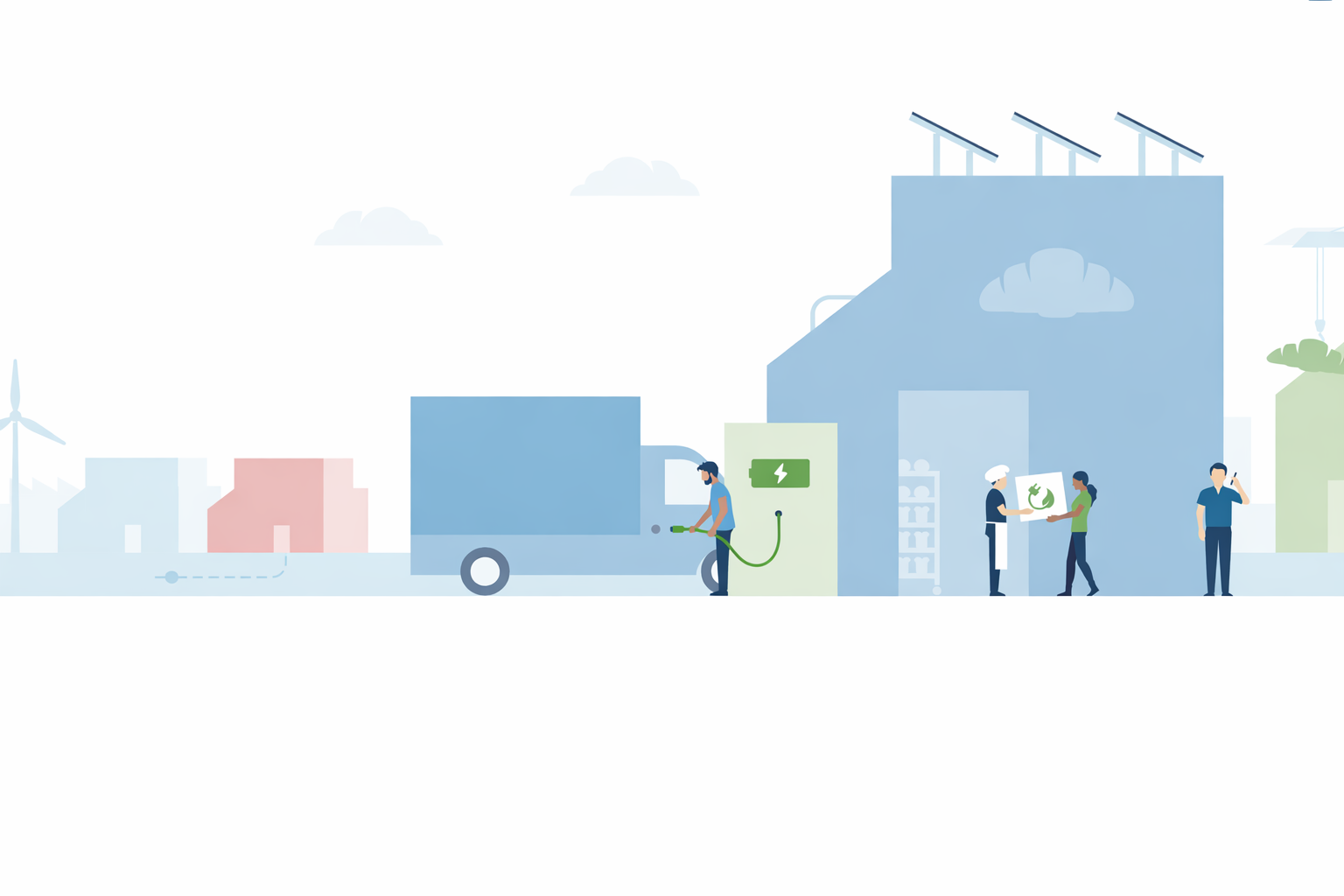
The energy transition has placed the installer in a different position than before. “Over the past ten years, equipment has mostly been selected on price, but not sufficiently on functionality,” says Dennis. “Many installations cannot be accessed remotely. No communication, no EMS connection, or simply no power control. Then flexibility suddenly becomes a technical problem.” An energy management system is sometimes necessary, but far from always sufficient. “It’s much more about wires and software. Everything must be aligned. In addition, safety and cybersecurity are playing an increasingly large role.”
This is improving for new installations. But the most capacity lies in existing installations. “That’s where many installers still lack knowledge. They shouldn’t just install new systems but also adapt existing ones to the new reality. The responsibility is increasingly shifting toward the installer.” According to Van der Meij, flexibility is no longer an extra, but a design parameter. “You don’t just get a heavier connection anymore. Unless you are willing to give up a percentage of flexibility for it, with a different type of contract. If you’re not? Then you have to come up with solutions behind the meter. GOPACS is not an alternative to grid reinforcement, but it is a way to create local breathing room.”
Flexibility as the New Normal
According to Dennis, the current times demand a revaluation of technical professions. “We shout: it must be done, it must be done. But who is going to do it? We need skilled workers. Smart control is complex. Old installations must be adapted, new systems safely integrated.” This requires lifelong learning. “You can no longer work for forty years without relearning.” Yet he is optimistic. “Everything has become one big system. The real challenge lies at the collective level. If people understand they are part of the problem and the solution, movement will happen naturally.” According to him, flexibility is not a temporary measure but a permanent part of the future energy system. Van der Meij concludes: “In addition to grid expansion, we need a lot of flex, no matter what.”
___
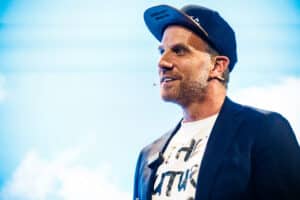
About Dennis van der Meij
Dennis van der Meij is a Dutch technical expert and a frequently sought-after speaker on solar energy, battery storage, and smart energy management. As an independent and critical voice in the energy transition, he is known for his focus on knowledge sharing, safety, and realism within the installation sector, and he advises on the sustainable generation, storage, and utilization of energy.